
What Is the Great Migration?
Your Guide to Understanding the Movement of the Serengeti’s Great Herds
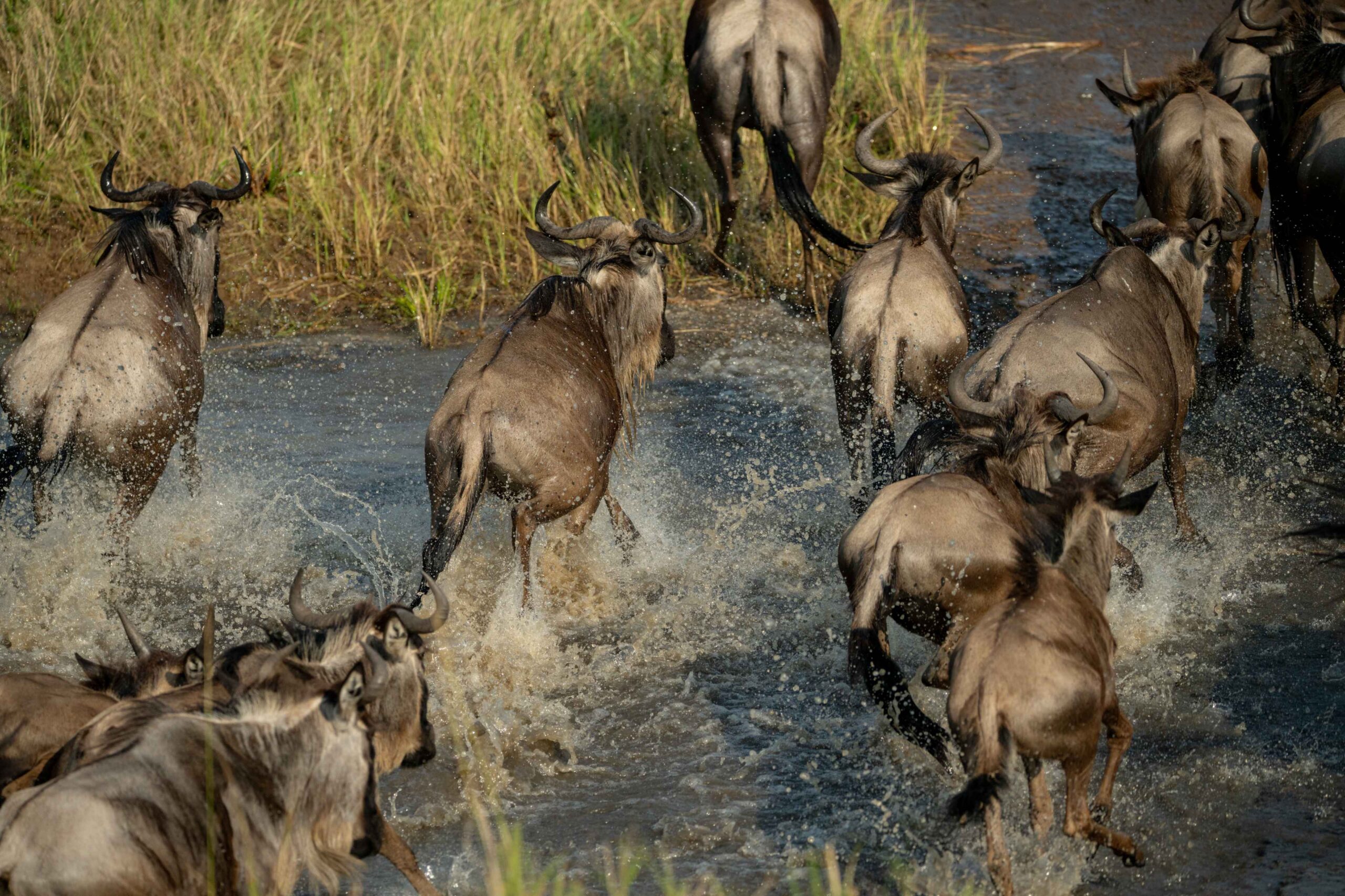
From a distance, the Great Migration can look like one enormous herd making its way around the Serengeti in a great circle. Spend time watching it on the ground, however, and a much richer story begins to unfold. Herds come together and drift apart. They pause where the grazing is good, change direction when conditions shift and begin moving again when rain brings fresh growth to another part of the plains.
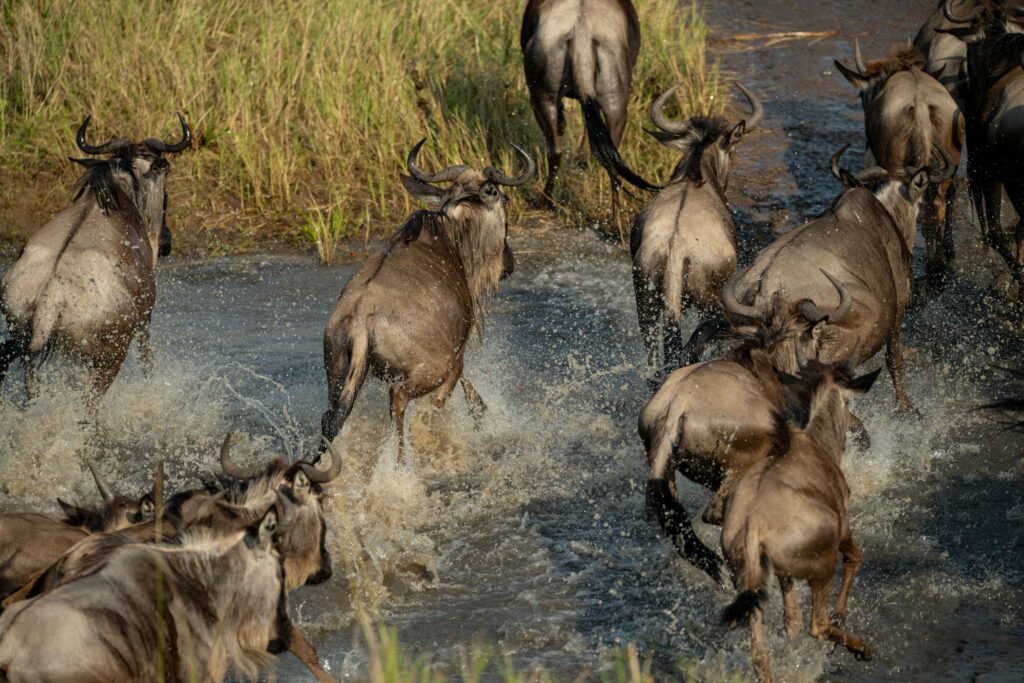
This constant movement is part of what makes the migration so captivating. It is a year-round response to rain, soil, grass and the instinctual need to survive. More than a million wildebeest are at the heart of it, joined by hundreds of thousands of zebra and gazelle, while predators, scavengers and the landscape itself respond to their arrival and departure.
To understand the Great Migration, it helps to look beyond the famous river crossings and discover what draws the herds onwards.
Why does the Great Migration happen?
The Great Migration is, above all, a search for grazing and water. For the herds, though, finding food involves more than heading towards the greenest patch on the horizon. The quality of the grass matters as much as the quantity, and an immense gathering of hungry animals can work its way through even abundant grazing rather quickly.
Rain is the great signal. As storms pass over the Serengeti, fresh grass begins to appear in different parts of the ecosystem. Wildebeest are particularly drawn to short, nutrient-rich growth, which provides the protein and energy needed for movement, pregnancy, nursing and growth. After the rains, the southern plains become especially valuable. Their fertile volcanic soils nourish the grasses that sustain the herds during the important calving period.
The southern plains are drier than the northern and western reaches of the ecosystem, however, they cannot support these numbers throughout the year. As water becomes scarcer and the grass begins to fade, the herds gradually make their way towards areas where rainfall has been greater and water is more reliable. When the rains return to the south, fresh grazing draws them back again.
The herds are continually balancing the richness of the grazing with the availability of water. Because no single part of the Serengeti can provide everything they need in every season, they survive by moving.
An instinct shaped over thousands of years
The instinct to move has guided wildebeest across the greater Serengeti ecosystem for thousands of years. Generation after generation, the herds have responded to the seasonal pulse of rain and the fresh grazing that follows it.
This ancient behavior does not bind them to a rigid route or timetable. Instead, each year unfolds according to the conditions at hand. Rain may arrive early, fall further east or bring new grass to an unexpected area. The wildebeest respond, following the promise of food and water across a landscape they have moved through for millennia.
It is remarkable to think that the great herds seen crossing the plains today are continuing a pattern shaped long before the migration was mapped, filmed or followed by safari vehicles.
Why do wildebeest, zebra and gazelle travel together?
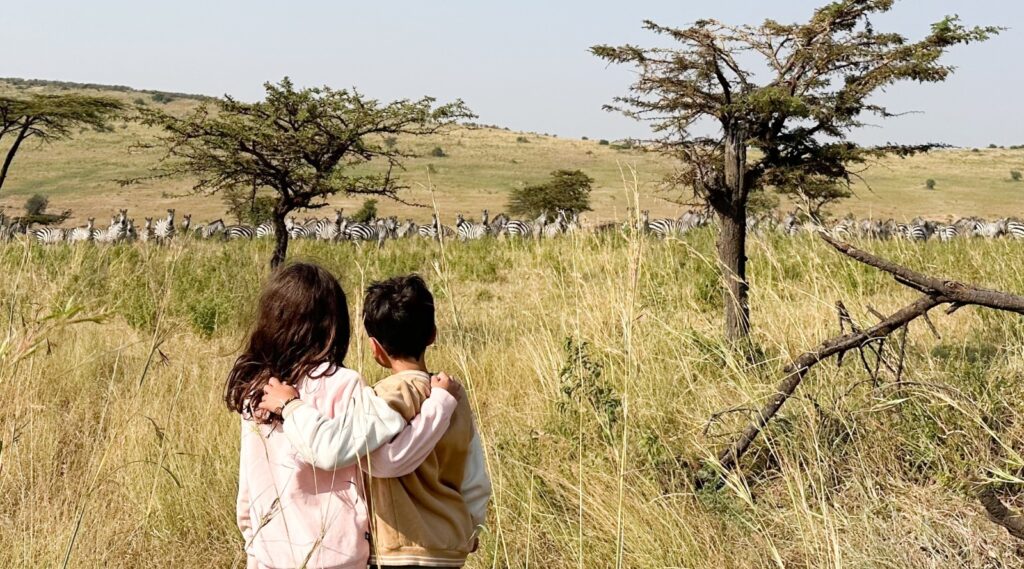
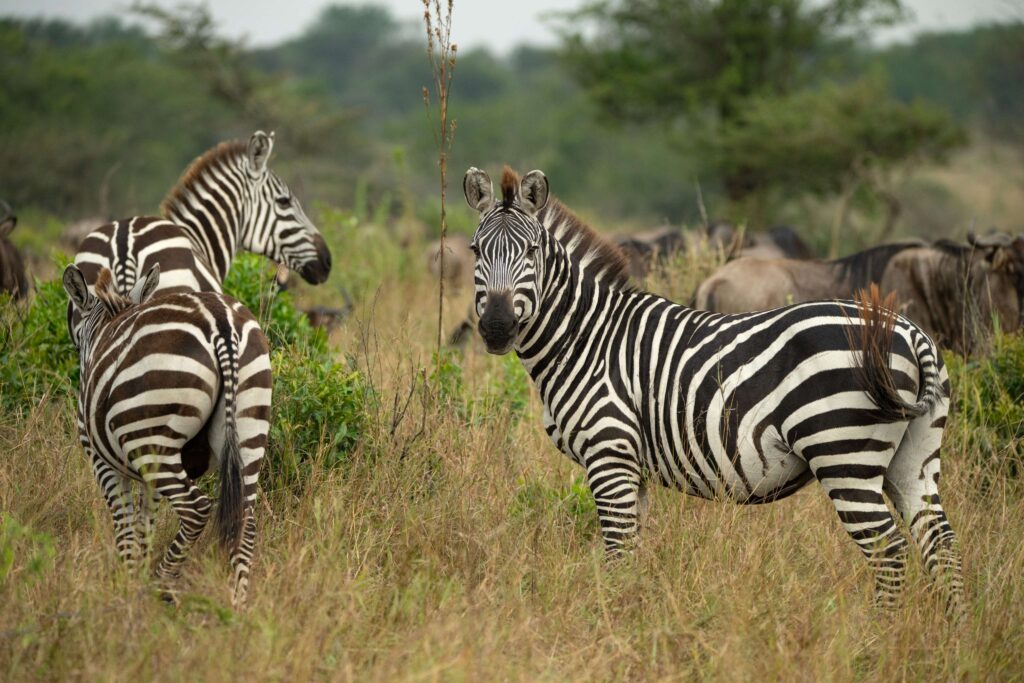
Wildebeest may be the best-known travelers, but they share this journey with zebra and Thomson’s gazelle. Look across a gathering of animals and the mix can seem beautifully effortless, yet each species is finding something slightly different in the same landscape. Zebra are able to feed on taller, coarser grass and often take the upper growth. Wildebeest favor the shorter, more nutritious grass below, while smaller gazelles select particularly fine new shoots. As the larger grazers crop the vegetation, they can make the tender growth beneath it easier for the animals following behind to reach.
There is competition when so many animals depend on the same grasslands, but traveling in mixed herds can be useful too. More animals are watching, listening and reacting to what is around them, increasing the chance that danger will be noticed. Together, these species create a constantly changing community on the move, each responding to the landscape in its own way.
Predators and prey – a relationship in constant motion
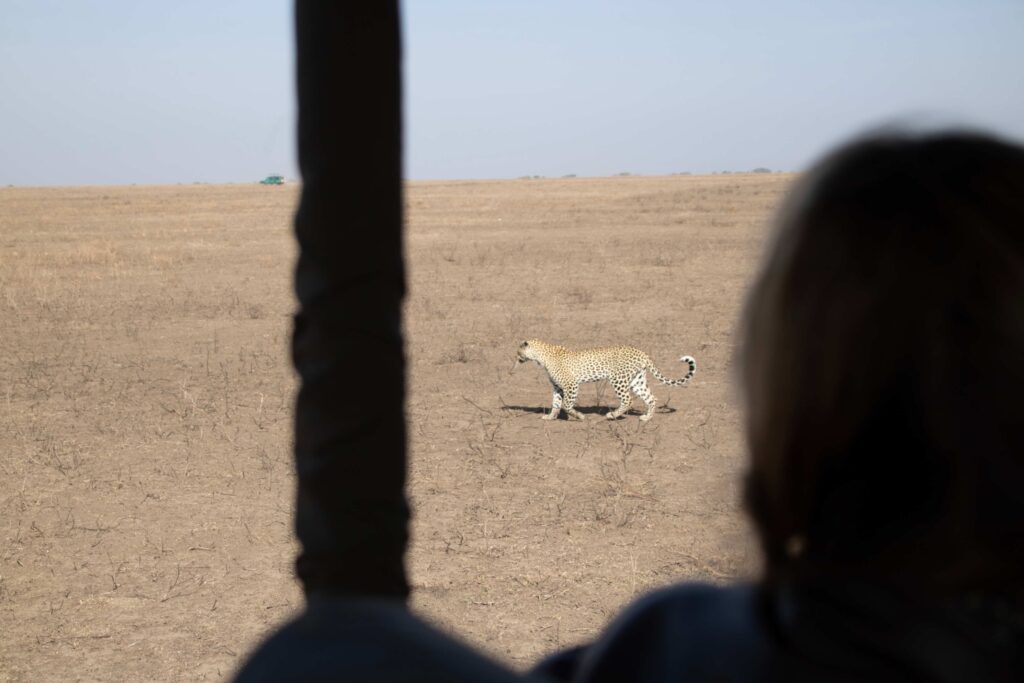
The arrival of the migration brings a sudden abundance of opportunity for the Serengeti’s predators. Lions, cheetahs, leopards and spotted hyenas watch the herds carefully, while crocodiles wait in the rivers that cut across their path.
The experience is different for each predator. Many are connected to established territories, dens or young and remain within their home ranges as the migration comes and goes. For a time, a lion pride may find wildebeest plentiful; once the main herds move away, it turns its attention back to the resident animals that remain. Spotted hyenas can travel impressive distances to reach feeding opportunities, while cheetahs use the open plains and their extraordinary speed to single out vulnerable prey.
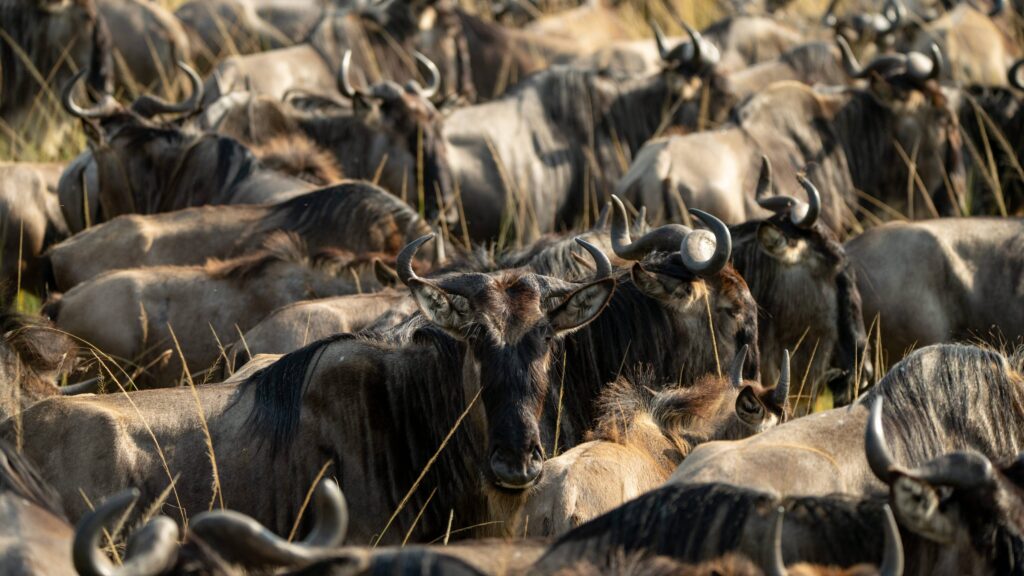
For a wildebeest, being one among thousands offers a measure of protection. With so many animals alert to movement, a predator has less chance of approaching unseen, and the likelihood of any one individual being targeted is reduced.
During calving season, a great number of calves are born within a relatively short period, creating opportunity for predators but also giving the new generation strength in numbers. More calves arrive than the predators could possibly take, allowing many to make it through those vulnerable early weeks.
A migration that shapes the landscape
By consuming huge quantities of vegetation, the herds reduce the dry grass available to fuel intense fires. Their dung and urine return nutrients to the soil, helping to nourish future growth and supporting the many other animals that depend on these grasslands.
Animals lost along the way sustain predators and scavengers, from lions and vultures to insects and microorganisms. Wildebeest that don’t survive the treacherous river crossings also carry nutrients into the water, where their remains become part of the river’s food web.
In this way, the herds both follow the Serengeti’s seasons and help shape the ecosystem through which they move. Their presence influences vegetation, fire, soil, rivers and the availability of food for countless other species.
Experiencing the migration with TAASA
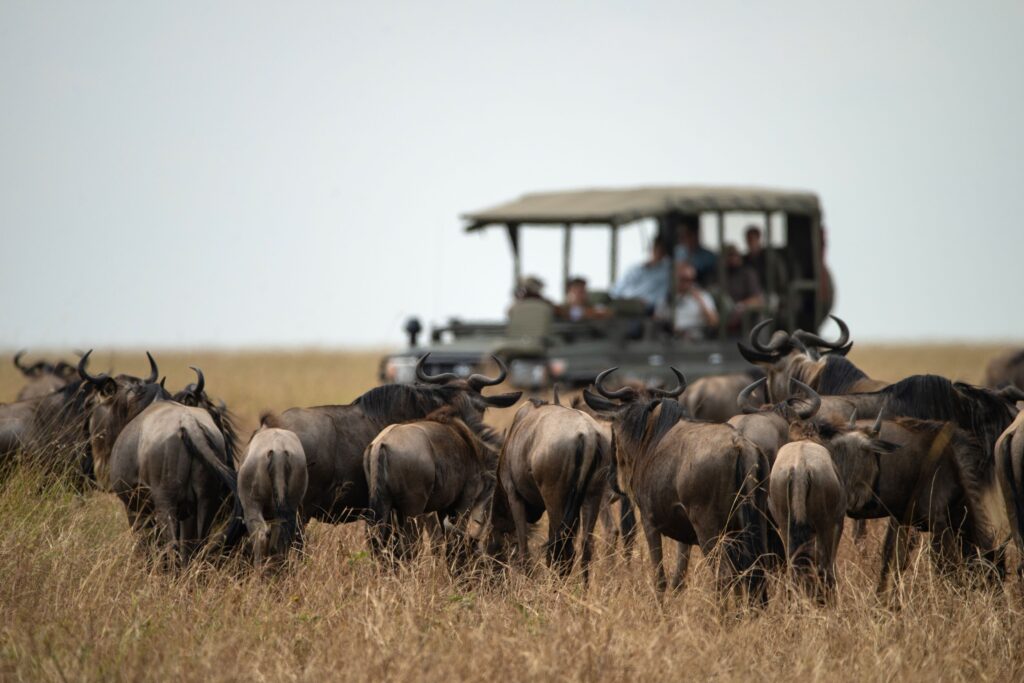
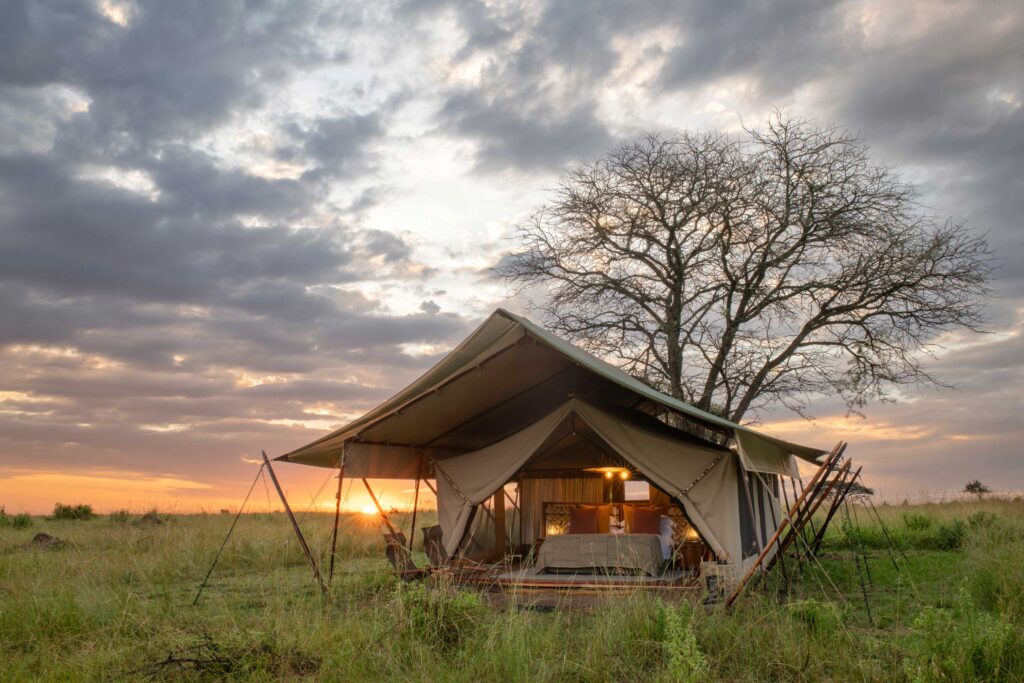
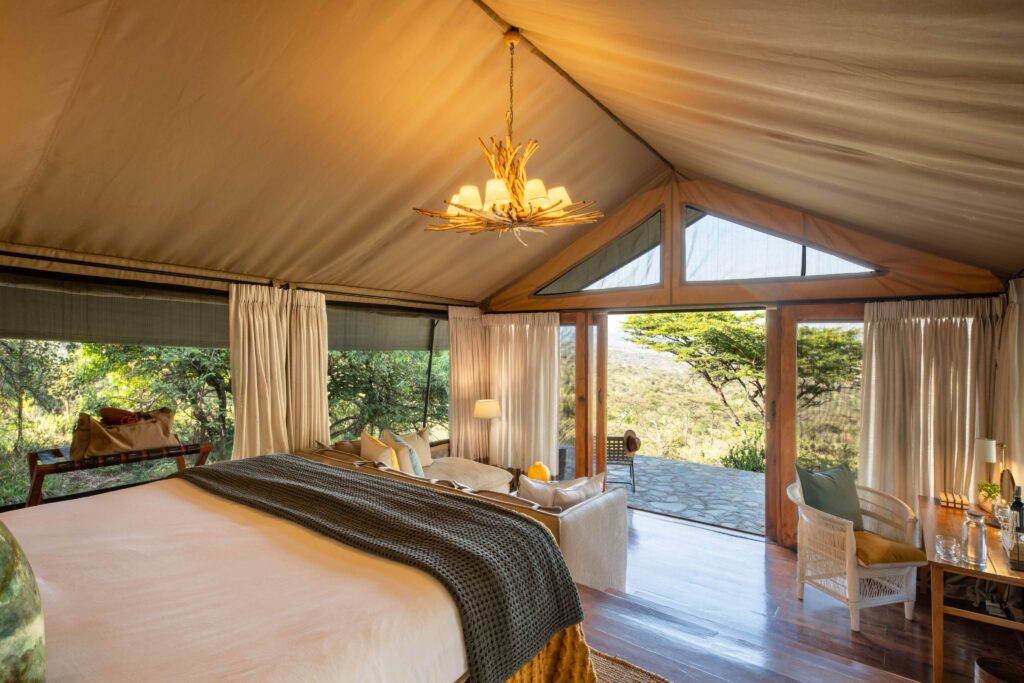
TAASA Migration Camp relocates through the Serengeti to place guests close to different chapters of the herds’ journey, from the southern plains around Ndutu to Kogatende in the north. Each location offers its own window into the migration, whether the plains are filled with new life or the herds are gathering on the banks of the Mara River.
TAASA Lodge offers another wonderful way to experience the migration from our home in the private Loliondo wildlife area near the northern Serengeti. When the herds move through the region, guests can witness their remarkable scale while also enjoying the abundance of resident wildlife found here throughout the year. Off-road exploration, night game drives and walking safaris reveal even more of this private wilderness, making a stay at TAASA Lodge rewarding both during the migration and long after the herds have moved on.


Then, share highlights from your safari experience by tagging us and using the hashtag #TAASA.