
8 Unusual Animals You Could Spot on Safari at TAASA
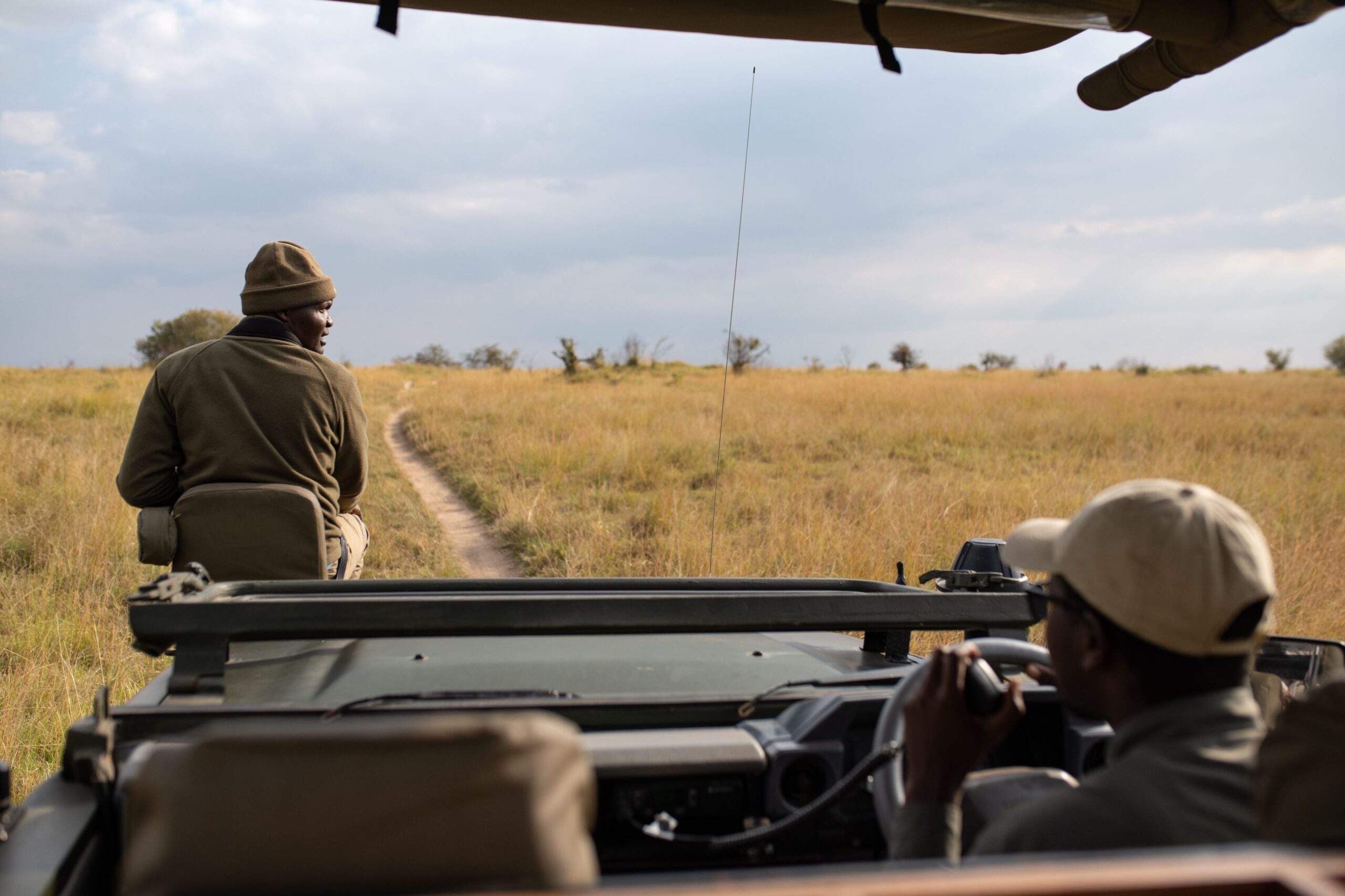
When most people picture a Tanzanian safari, they think of the “Big Five”: lion, elephant, buffalo, leopard, and rhino. And while TAASA offers excellent sightings of iconic wildlife, it’s often the unexpected encounters that guests remember most.
Beyond the lions and giraffes, the ecosystems surrounding TAASA Lodge and TAASA Migration Camp are home to an incredible variety of lesser-known animals. Some are secretive, some are comical, and some are just downright surprising.
Here are eight rare animals you could see on safari.
1. Pangolin
Few safari sightings are more rare, or more thrilling, than a pangolin. Covered in overlapping scales and walking with a slow, deliberate waddle, these nocturnal creatures look almost prehistoric. Pangolins are shy, solitary, and well-camouflaged, spending much of their time foraging for ants with their long, sticky tongues. While they’re notoriously hard to spot, night drives sometimes offer lucky guests a once-in-a-lifetime sighting. For wildlife lovers, it doesn’t get much better than this.
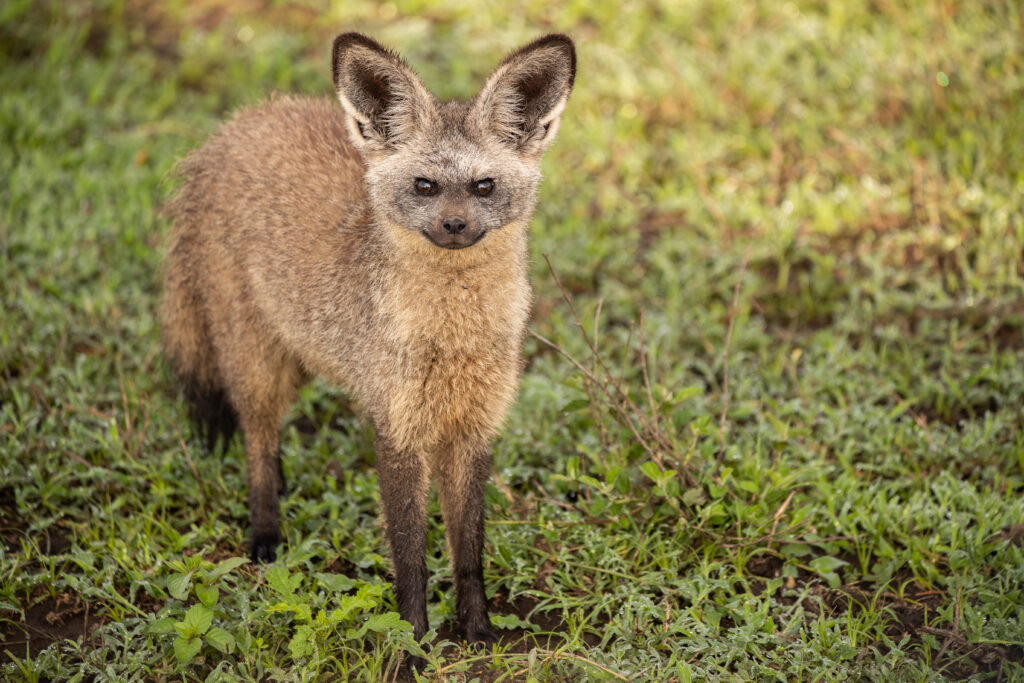
2. Bat-eared Fox
These little insectivores tend to cause a stir when spotted. With comically oversized ears and a habit of listening intently to the ground, bat-eared foxes use their acute hearing to locate termites and beetles. Unlike most fox species, they’re often seen in family groups, and their early-morning and late-afternoon foraging makes them a good candidate for daylight sightings around the open grasslands.
3. Aardvark
Spotting an aardvark on safari feels a bit like winning the wildlife lottery. These shy, nocturnal animals are rarely seen, even by seasoned guides. Shaped a bit like a cross between a pig and a kangaroo, aardvarks use their powerful claws to dig for termites in the cool of the night. If you’re staying at TAASA Lodge, you’ll be glad to know our night drives open up the possibility of seeing this elusive creature; one of the most unusual mammals in East Africa.
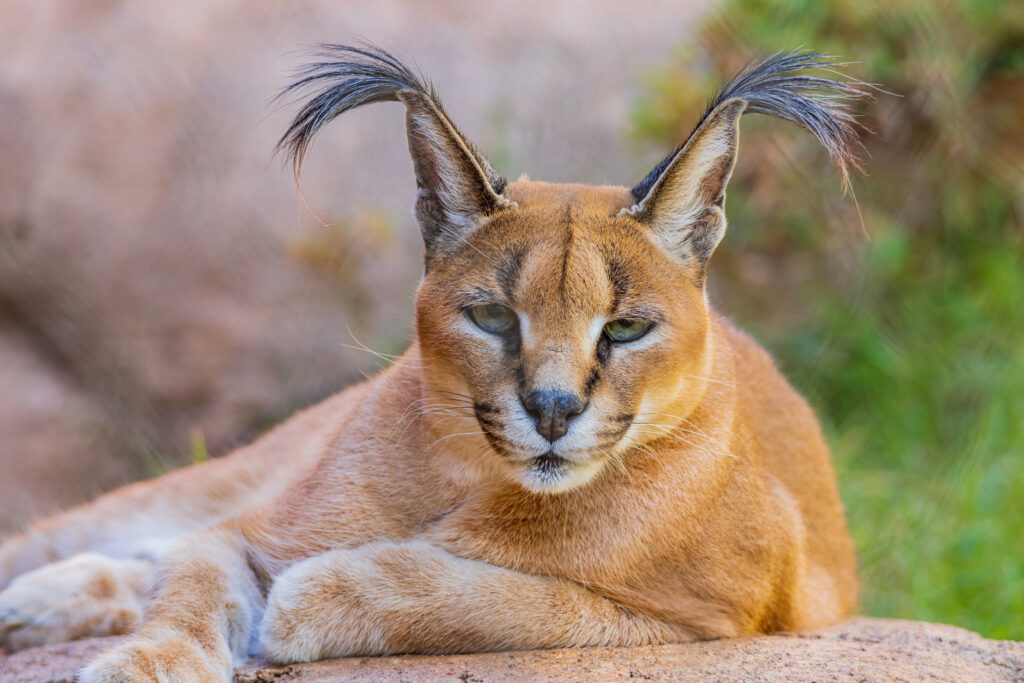
4. Caracal
Elusive and elegant, the caracal is one of Africa’s most secretive wild cats. With striking black-tufted ears and a reddish-gold coat, it moves through the bush in near silence. Though rarely seen, caracals are powerful hunters, able to leap high into the air to snatch birds mid-flight. Most active at night, they leave little more than a paw print behind unless you’re lucky enough to spot one.
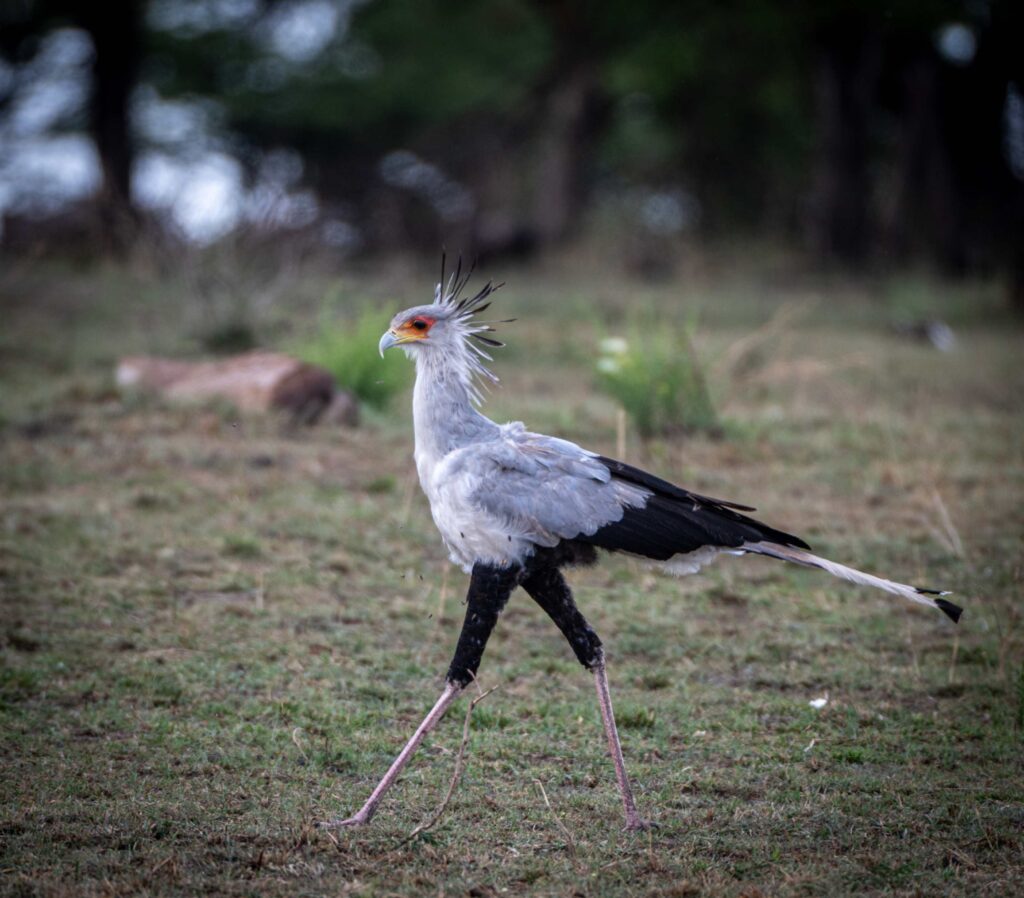
5. Secretary Bird
Tall, long-legged, and oddly elegant, the secretary bird looks more like a runway model than a predator, but don’t be fooled. These iconic birds stalk the savanna on foot, stomping down snakes, lizards, and insects with swift, deadly kicks.
At over 4 feet tall, with a wingspan close to 7 feet, they’re hard to miss, yet they often leave guests speechless the first time they’re spotted striding through the grasslands near TAASA. Their crest of quill-like feathers adds to the drama, earning them their curious name.
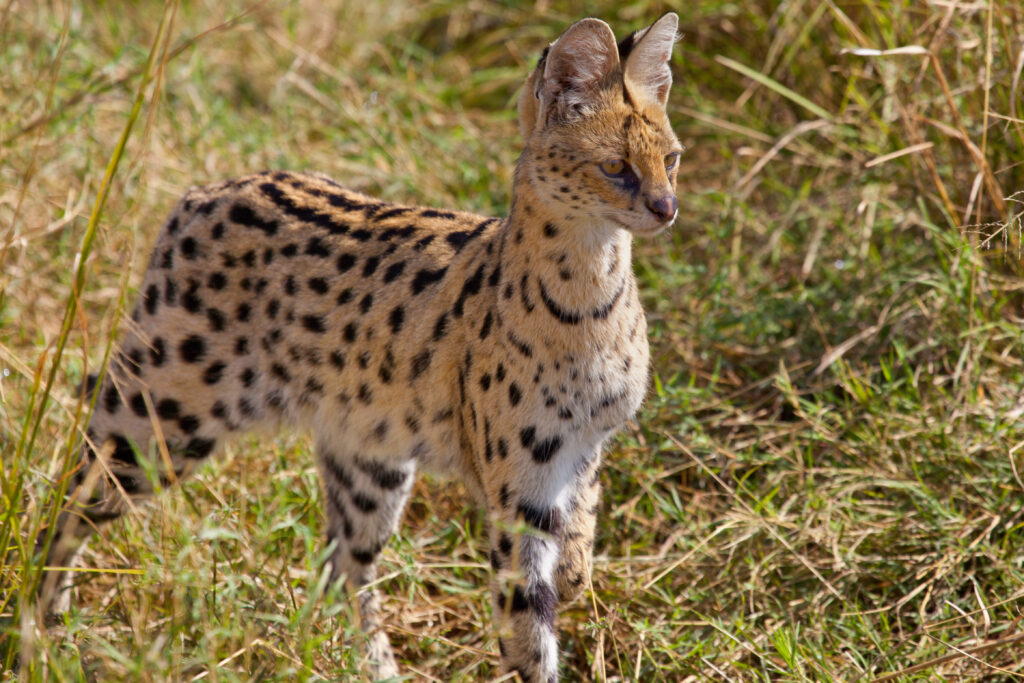
6. Serval
Spotting a serval feels like uncovering one of the Serengeti’s best-kept secrets. With long legs, oversized ears, and a coat dappled with bold black spots, this slender wild cat is built for precision hunting in tall grasses. Servals rely on their remarkable hearing to detect rodents hiding beneath the vegetation – then launch into an incredible vertical pounce. Though primarily nocturnal, they are often active in the early morning, giving guests a chance to catch sight of one slipping ghost-like through the grass.
7. Verreaux’s Eagle Owl
The Verreaux’s eagle owl – Africa’s largest owl – is a silent giant of the night. With pink eyelids, a deep hooting call, and feathered tufts that resemble small horns, this owl commands attention whenever it appears. It hunts from dusk to dawn, swooping down on rodents, birds, and even bats with astonishing power. Often seen perched high in acacia trees near camp, it’s one of those sightings that quietly lingers in a guest’s memory long after the safari ends.
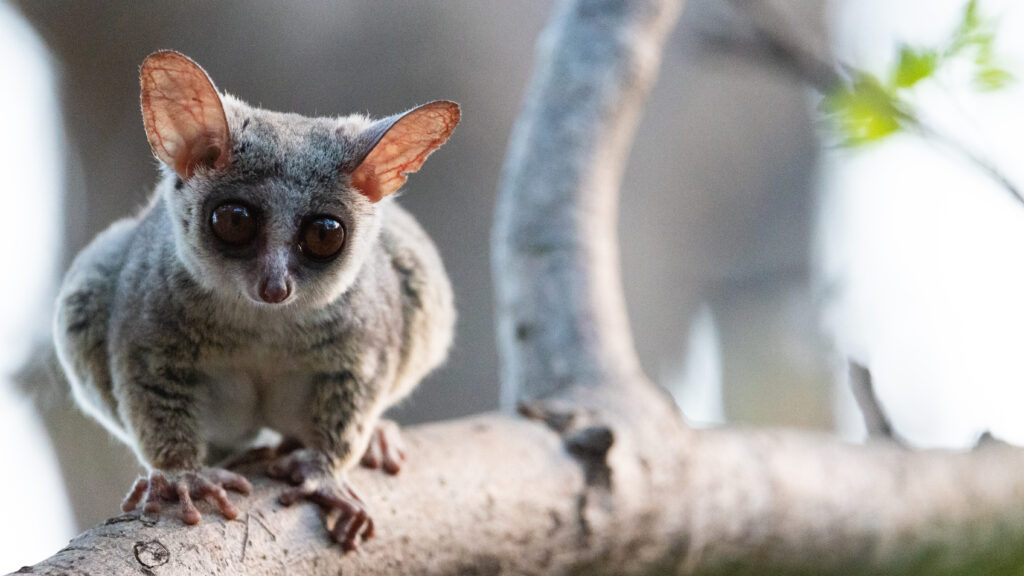
8. Bush Baby (Galago)
Hearing a bush baby before seeing one is part of the fun. Their distinctive cries echo through the trees at night, followed by sudden flashes of movement as these tiny primates leap extraordinary distances between branches. With huge eyes designed for nocturnal vision and soft, woolly fur, bush babies are both adorable and astonishingly athletic. Night drives or quiet evenings around camp often provide glimpses of them bouncing through the canopy like little shadows with bright, glowing eyes.
The Joy of the Unexpected
Safaris are about more than just seeing Africa’s iconic wildlife, they’re also about embracing the unexpected. TAASA Lodge and TAASA Migration Camp is perfectly positioned to deliver not only classic wildlife encounters, but also the rare, the secretive, and the seldom seen.


Then, share highlights from your safari experience by tagging us and using the hashtag #TAASA.